By: Adriana Escalante
If you're serious about modeling, your portfolio isn’t just a collection of pretty photos—it’s your business card, your marketing tool, and your first impression all in one.
And here’s the truth: most new models (and even experienced ones refreshing their book) make the same mistakes over and over again.
Let’s fix that.
If you’re building your modeling portfolio in the Washington, DC area, it’s even more important to understand your market. DC leans heavily toward commercial, lifestyle, and agency-driven work, which means your portfolio needs to reflect what clients in this area are actually booking. What works in New York or Los Angeles doesn’t always translate here—so building your portfolio with your local market in mind is key.
Throughout my years working with models, I have seen the same portfolio-building mistakes recur. Let's take a look.
I see this all the time—especially with brand new models.
You go with a family photographer, a portrait photographer, or someone you know… because it’s more affordable. And I get it.
But here’s the problem: portrait photography is not the same as fashion photography.
What you end up with are images that feel:
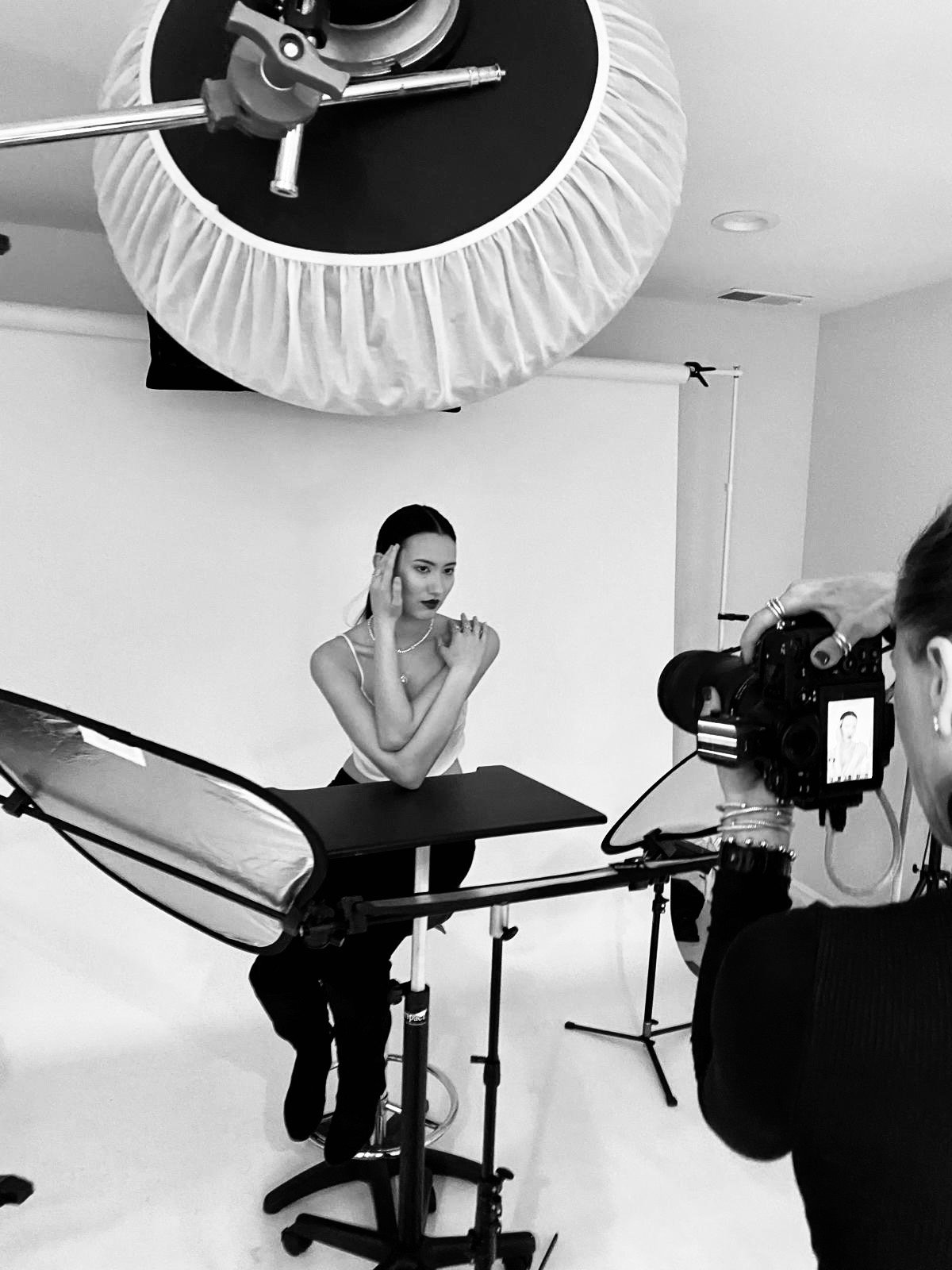
A strong modeling portfolio requires a fashion photographer who understands the industry—from posing, to lighting, to what agencies and clients are actually looking for.
Yes, experienced fashion photographers may charge more.
But you’re not just paying for photos—you’re paying for:
And that makes all the difference.
When you’re just starting, variety is helpful. But when you’re refreshing your portfolio?
That’s where strategy comes in.
One of the biggest mistakes I see is models doing a little bit of everything again—thinking more variety = better.
It doesn’t.
If you’ve realized you want to be:
…then your portfolio needs to reflect that specific direction.
A strong portfolio refresh should:
Ask yourself: “What do I want to be booked for?”
Then build your portfolio around that answer.
This one is huge.
A lot of models think that being “sexy” automatically translates to being high fashion.
It doesn’t.
There’s a big difference between:
In fashion, the goal is to:
Not to sell your body.
Even when a campaign feels sensual, it’s still about the product first.
If your images are overly focused on:
…it can actually hurt your chances in the fashion and commercial world.
This might be hard to hear—but it’s important.
Modeling is not about you.
It’s about what you can sell.
You are the vehicle for:
That’s why successful models aren’t always the most conventionally “beautiful”—they’re the most effective at transforming and delivering a message.
If your portfolio is focused on:
…it’s missing the point.
Instead, think: “How can I show that I can represent a brand?”
That shift alone will elevate your entire portfolio.
Let’s clear this up—because this one gets misunderstood a lot.
It’s not that bold makeup or creative styling is bad.
It’s about intention.
If there’s a clear editorial concept—like:
Then yes, go all in.
But what I often see instead is:
…with no real concept behind them.
And that weakens your portfolio.
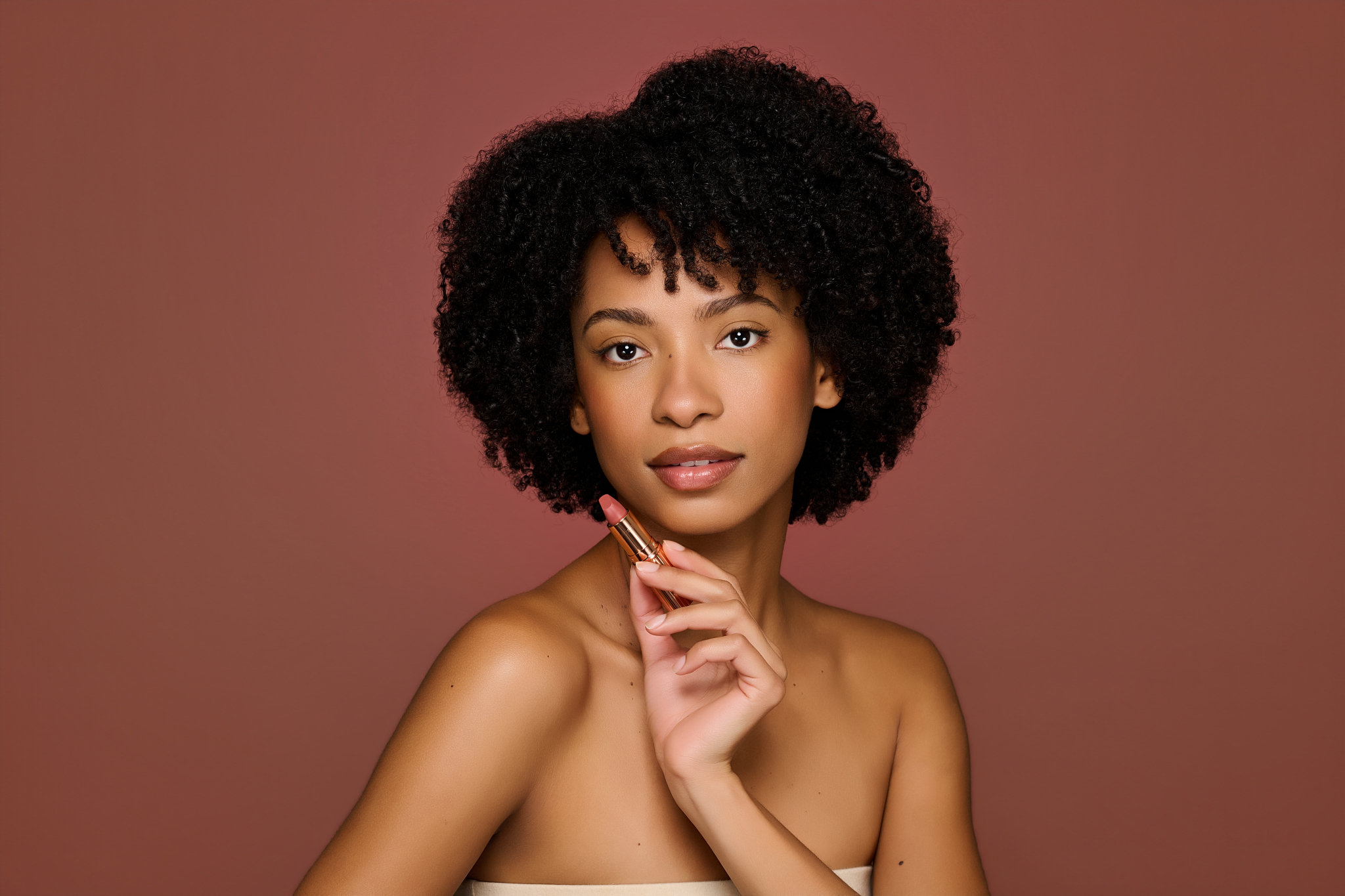
In most cases—especially for fashion and commercial modeling—what works best is:
Because clients want to see you, not layers of styling.
Not every photoshoot belongs in your portfolio.
This is where many models go wrong. They think every creative collaboration automatically adds value.
It doesn’t.
All model tests and collaborations should be intentional.
Yes, shooting for practice is valuable. Practice helps you:
But practice photos are not always portfolio photos.
If the concept is too theatrical, too costume-driven, or too niche—like:
…it may be fun, but it may not help your book.
Ask yourself:
Will this make me more bookable—or just give me more photos?
This is the real differentiator between models who book occasionally and models who actually build a career.
If you’re serious about modeling, you need to understand:
Modeling isn’t guesswork—it’s strategy.
And here’s where many models go wrong:
They sign with an agency…
…and then don’t listen to their agent.
Your agency is there to:
So when they tell you:
That’s not optional advice—that’s industry strategy.
Ignoring that guidance can slow down—or completely stall—your progress.
When your portfolio aligns with your agency and your market, that’s when it becomes a tool that actually books jobs.
If you are agency represented, communication matters—but mindset matters too.
Many models sign with an agency and then disappear.
They don’t check in.
They don’t ask what they need.
They don’t update their images.
They don’t seek direction.
That’s a mistake.
Even if your agency already knows your market direction, regular communication still matters because it keeps your portfolio current and your momentum moving.
Your agency sees the market in real time. They know:
Your agency cannot guide a model who never communicates because...
Agencies represent many models. They are running a business, managing client relationships, pitching talent, handling bookings, and responding to market demand.
They cannot babysit every model.
The models who stay top of mind are usually the ones who:
Models need to understand that in many cases, they are freelancers represented by an agency—not employees guaranteed full-time work.
Representation creates opportunity.
What you do with that opportunity is up to you. If you give 110%, you are far more likely to get 110% back.
Yes, the agency opens doors, but you still have to walk through them.
Many models say they want a modeling career—but they don’t invest in it.
That’s a mistake.
Modeling is freelance work, and like any freelance career, growth often requires personal investment.
That means investing in:
Too many models think they can simply find any photographer, pose a little, and build a strong book.
That’s not how it works.
Sometimes creative collaborations can be valuable. Some test shoots may absolutely produce usable images.
But not every collaboration is aligned with what agencies or clients actually need from your portfolio.
Many creative shoots are exactly that—creatives experimenting, trying ideas, and building their own work.
There’s nothing wrong with that.
But if your agency needs:
…then sometimes you need to hire the right photographer and create with intention.
Serious models understand that investment is part of growth.
If you want professional results, you need a professional mindset.
The models who grow in this industry aren’t just photogenic.
They’re intentional.
They:
That’s the difference between:
👉 having photos
👉 and having a portfolio that actually works for you
A strong model portfolio should include a variety of clean, professional images that reflect your target market and strengths. More on this topic here: https://www.adrianaephotography.com/blog/how-to-build-your-model-portfolio
Sometimes yes. Strategic investment in the right photographer can help create stronger, marketable images.
Whenever your look changes, your market changes, or your current book no longer reflects the work you want.
Natural beauty, versatility, professionalism, and images that fit the current market. Learn about the difference between Mother Agency vs. Modeling Agency.
If you're serious about building or refreshing your modeling portfolio, then it’s time to approach it with intention—not guesswork.
A strong portfolio isn’t just about taking beautiful photos. It’s about:
If you’re ready to take your modeling career seriously and build a portfolio that reflects where you’re going—not where you’ve been—I can help guide that process.
I’m based in the Washington, DC area, and I work with models throughout DC, Maryland, and Virginia who are ready to create industry-aligned, strategic portfolios that stand out.
If that’s you, feel free to reach out and start the conversation: schedule a call or contact me.